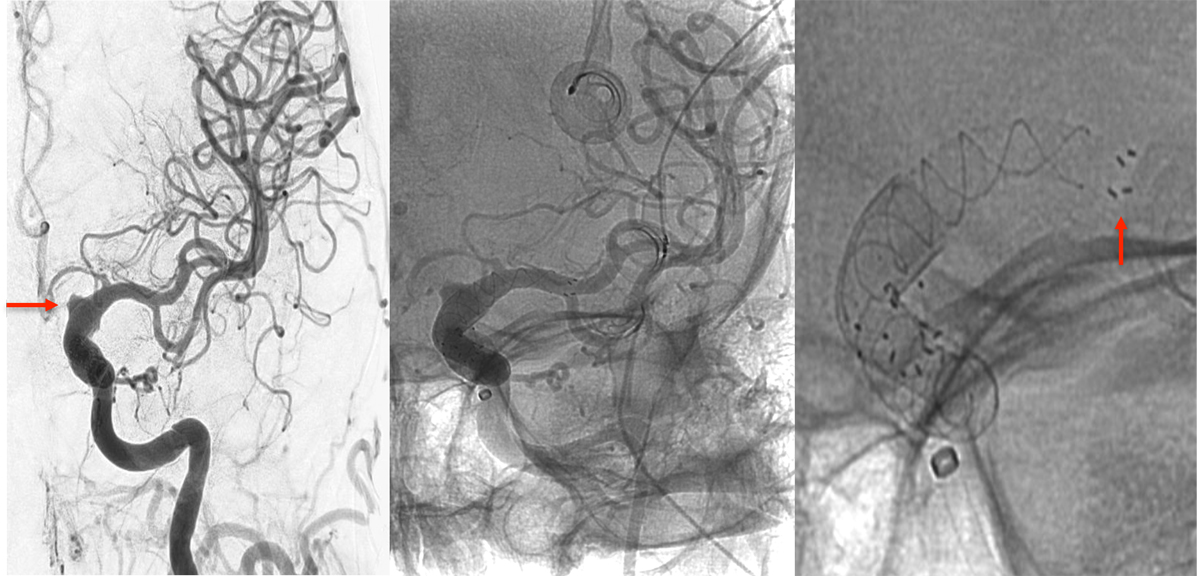
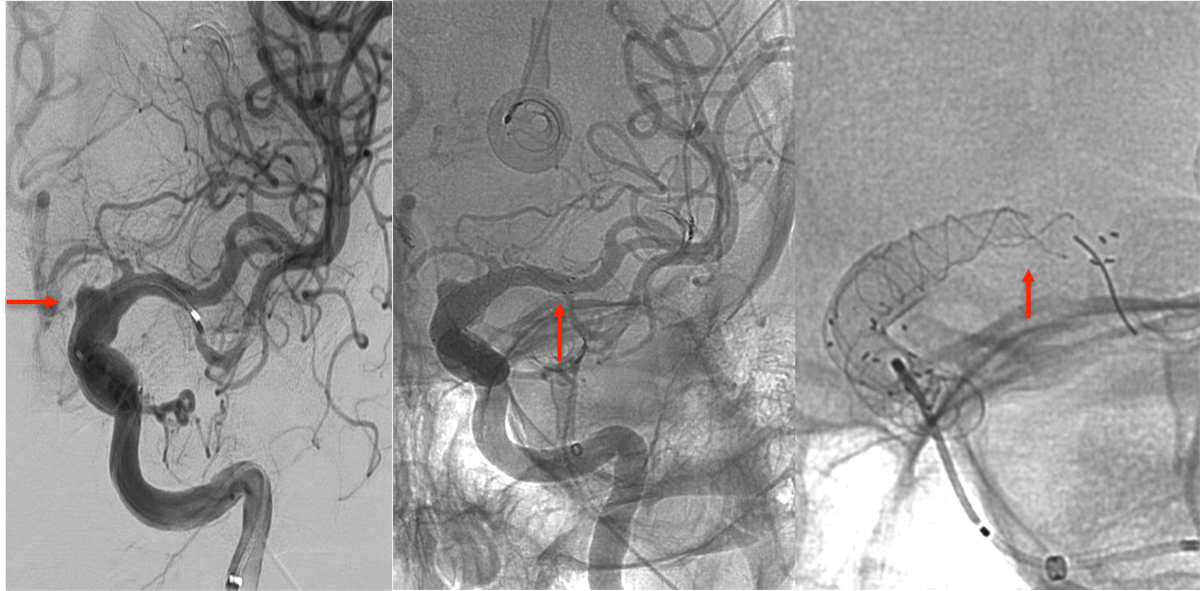
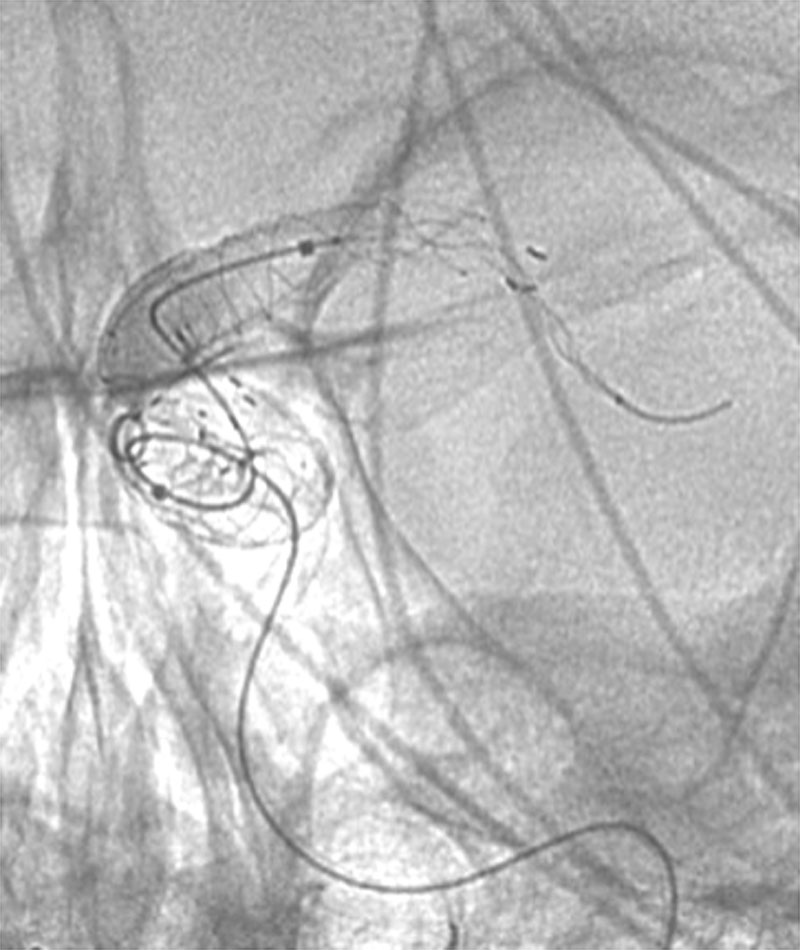
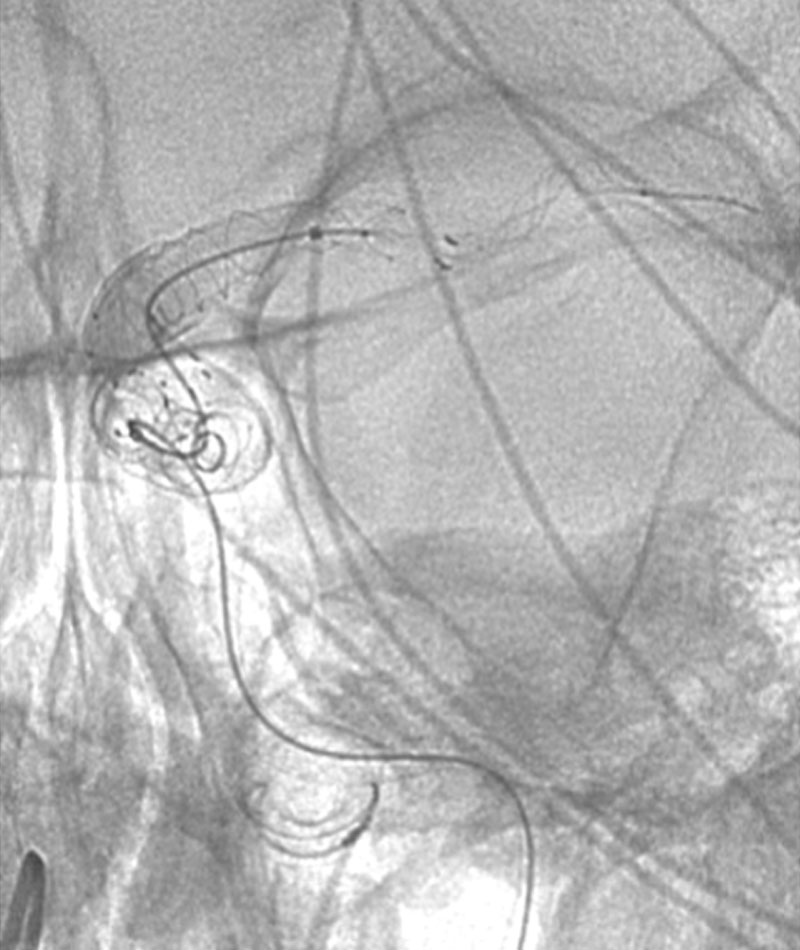
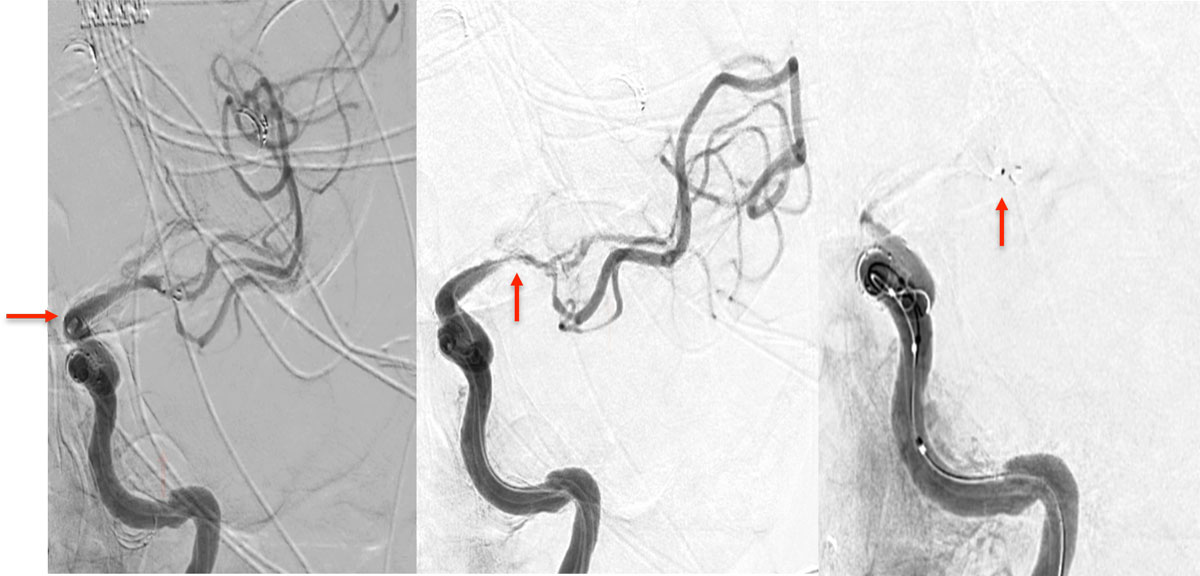
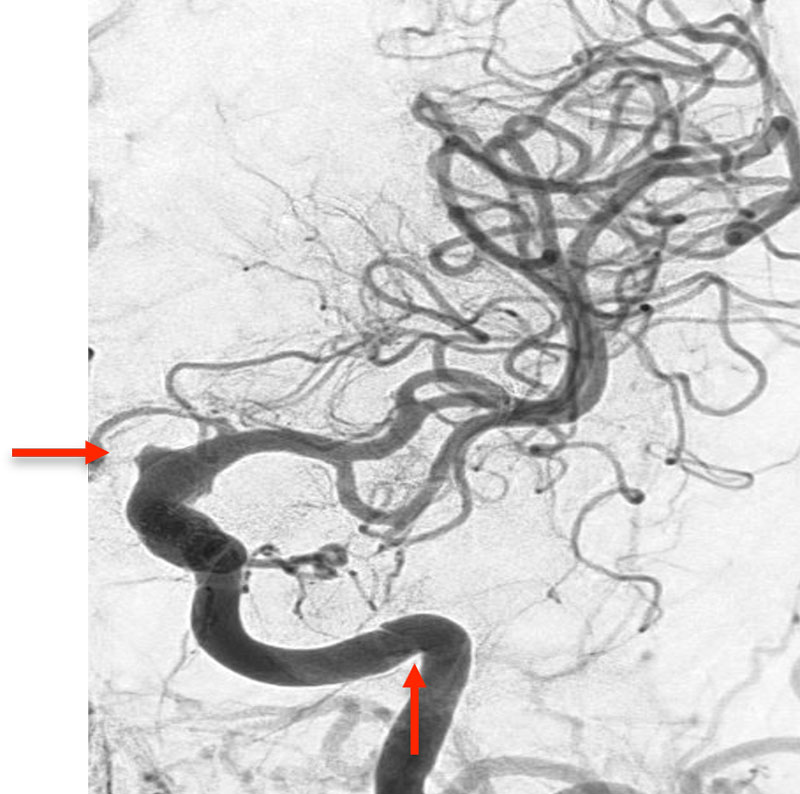
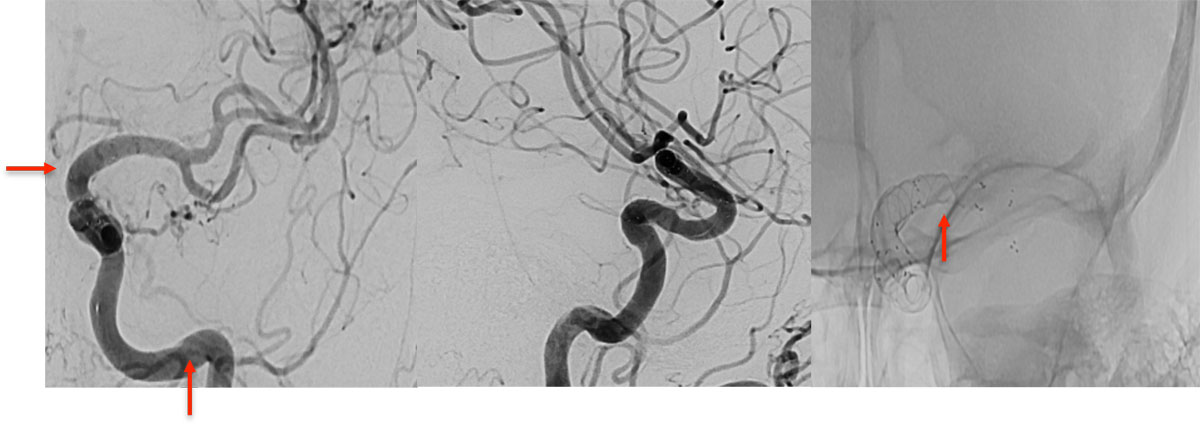
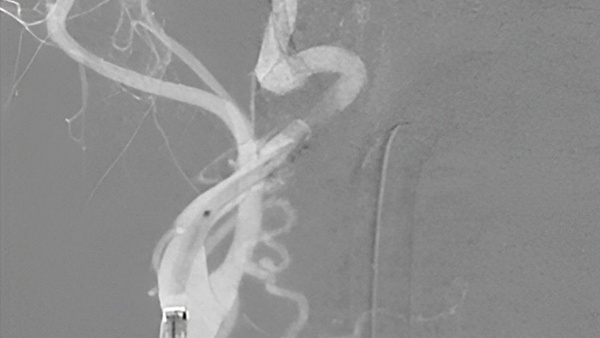
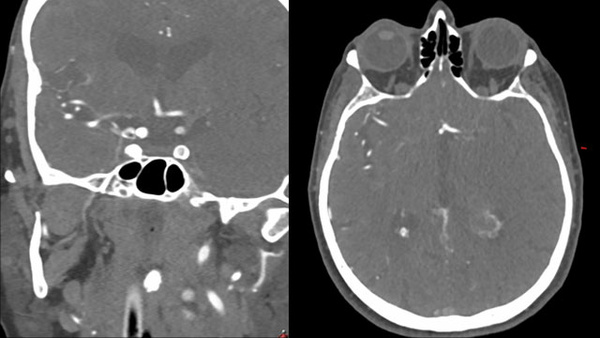
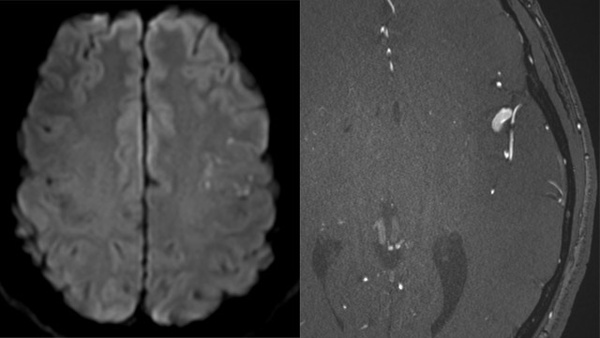
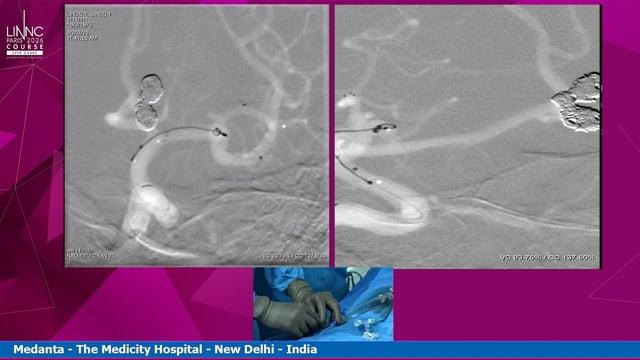
This case illustrates the complex management of a ruptured blister aneurysm and subsequent acute M1 occlusion, where rescue stenting with pEGASUS HPC proved decisive in achieving stable recanalization after multiple failed thrombectomy passes.
M1 occlusion
3 days after the last FD
MT attempt
Adjustable SR (Tigertriever 13) in inferior branch
With aspiration
Adjustable SR (Tigertriever 13) in superior branch
Continuous injection of Agrastat
Subnominal angioplasty Neurospeed 2x8
Superior branch stenting
Through Neurospeed 2x8
pEGASUS 3.5x20
PEGASUS covering the "fish mouth"
Before AIS
M1 occlusion
Superior Branch angioplasty & pEGASUS after 10 min
HeadWay17 and Synchro Select
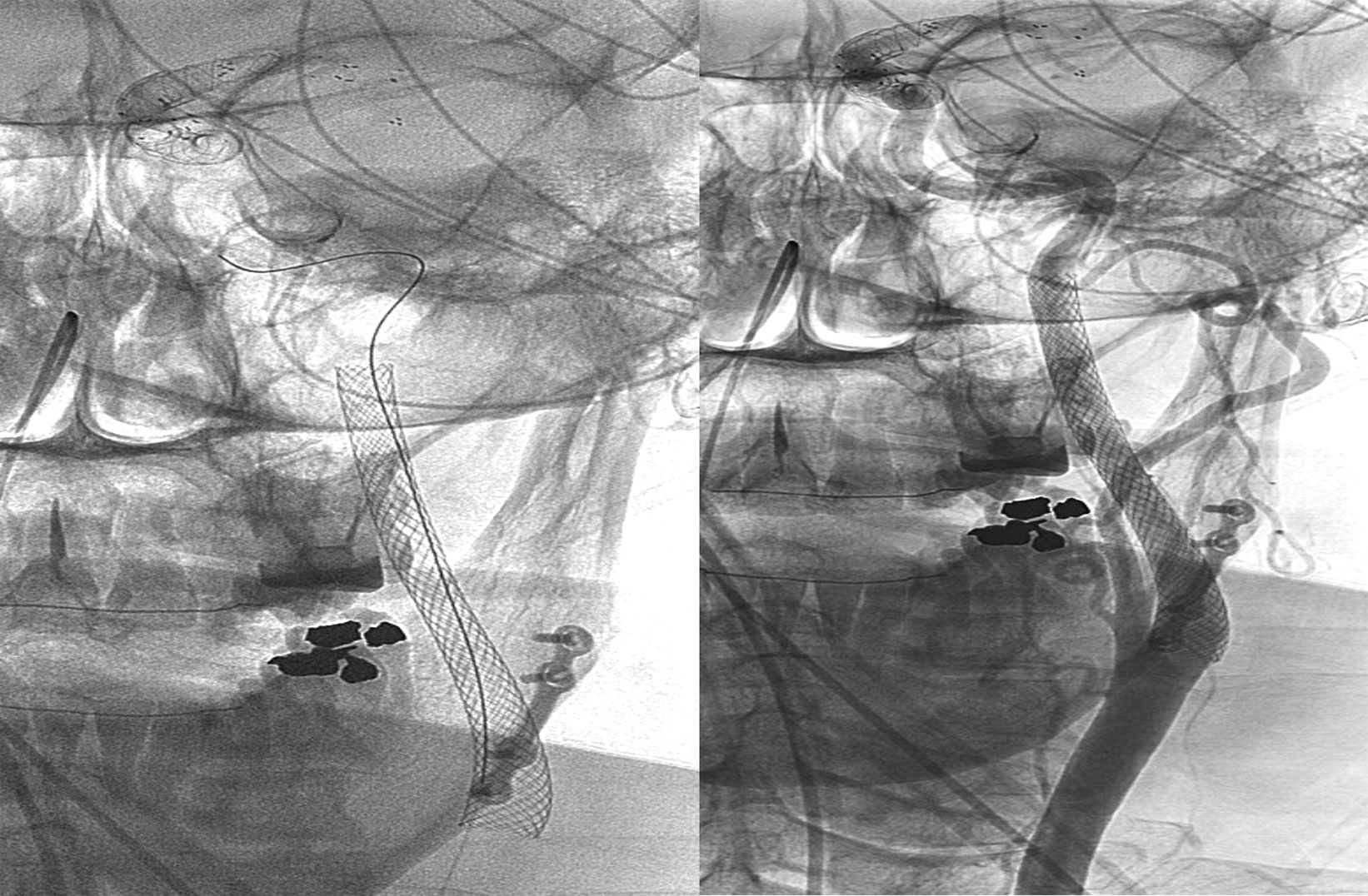
pEGASUS 3.5x15
ICA dysplasia & dissection
Blood-flow slowed
Stenting to prevent reocclusion and access difficulty in case of new intracranial complication
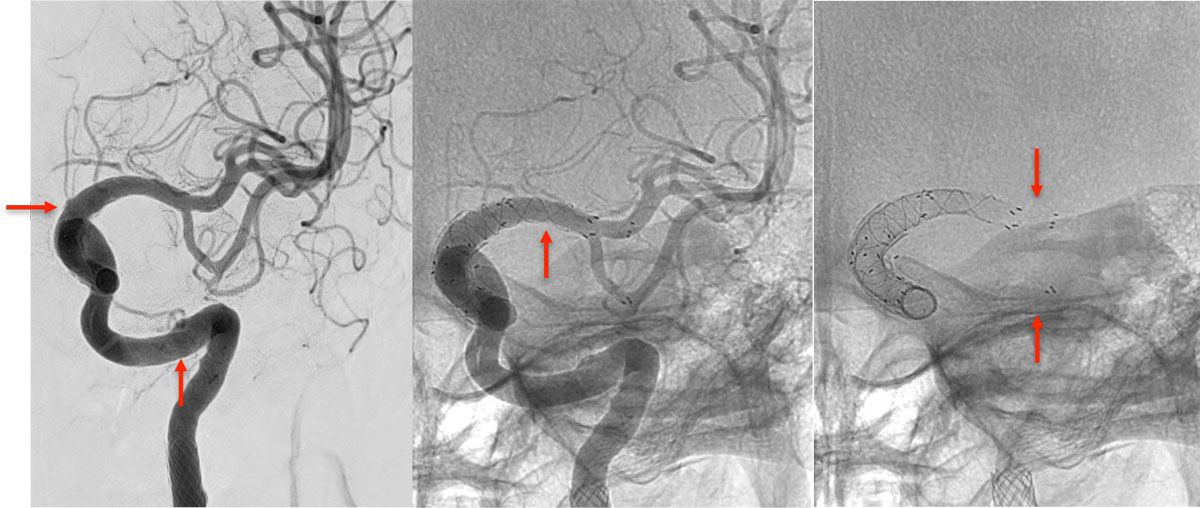
Complete recanalisation
Stable dissection and no more active dysplasia
Control at one month
Control at 36 months
After how many thrombectomy passes should rescue stenting with pEGASUS-HPC be considered in ICAS?
Does the pEGASUS-HPC offer a specific advantage over other stents in the rescue setting after multiple interventions?
Selections criteria optimize outcome when deploying pEGASUS-HPC after a multiple failed intervention?
Should flow-diverter poor opening lead to preventive stenting with pEGASUS-HPC ?
References