This case details the strategic use of a combined thrombectomy technique to selectively recanalize the penumbra-affected branch of an M2 occlusion in an 82-year-old patient.
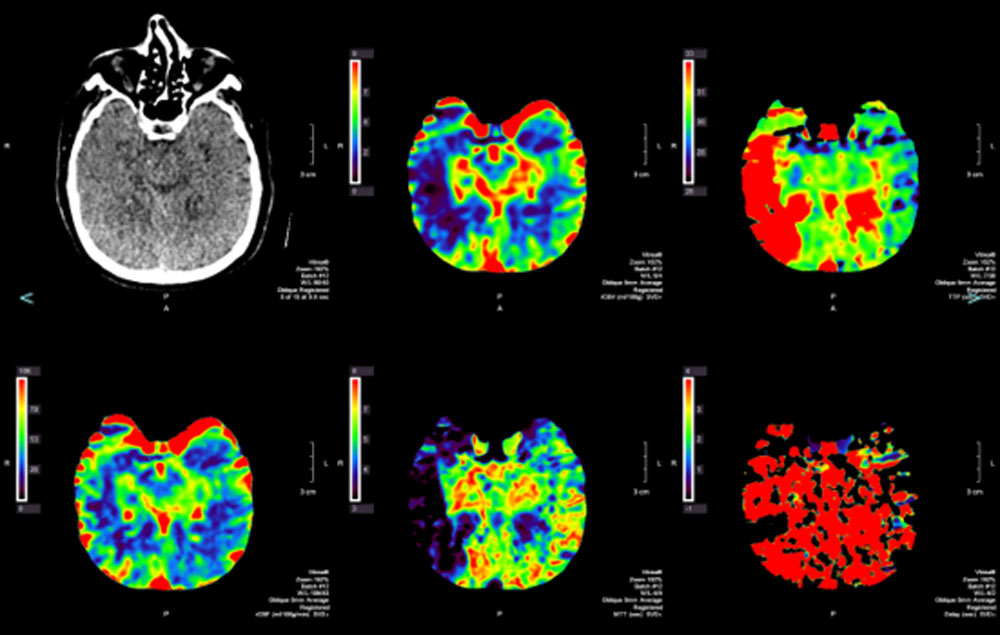
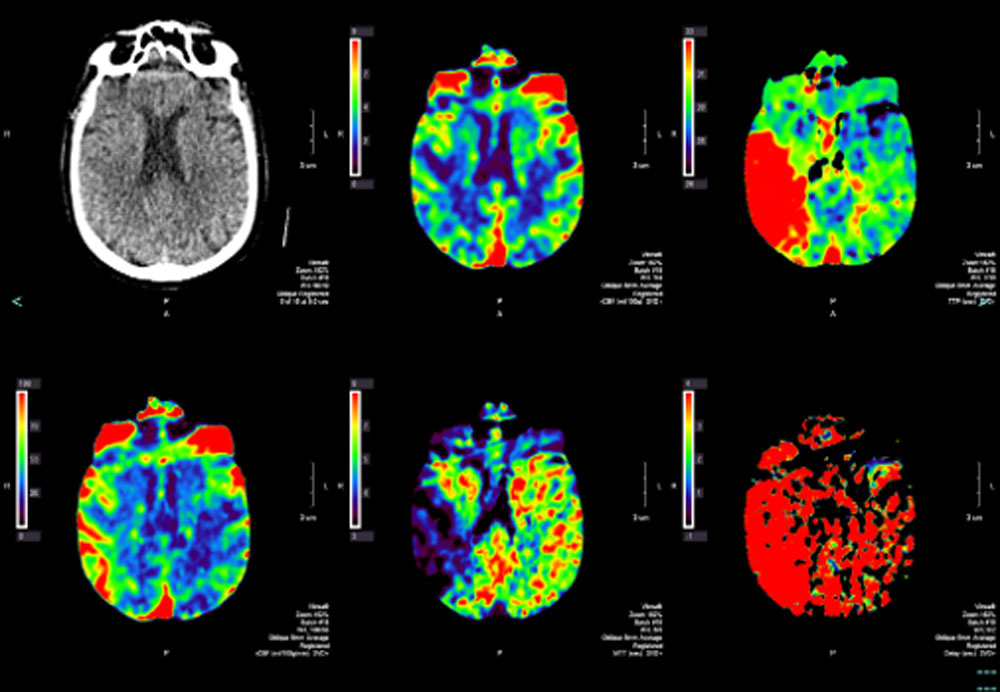
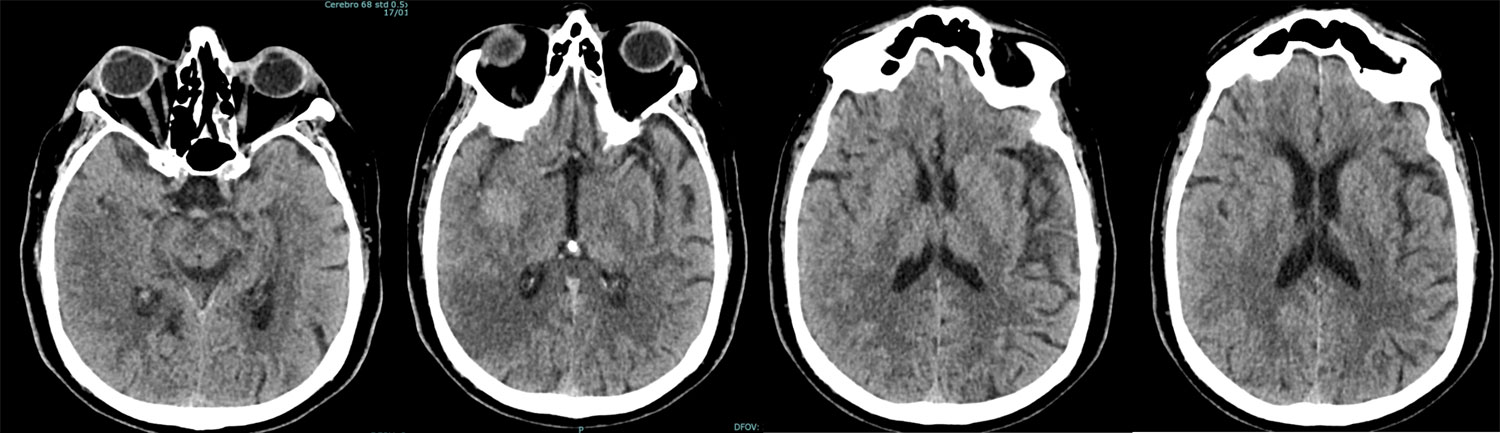
An 82-year-old patient presented with a stroke (NIHSS 8) due to a right middle cerebral artery occlusion at the M2 segment. Part of the area affected by the occlusion presented established ischemia. Thrombectomy with a combined technique successfully recanalized only the penumbra-affected area.
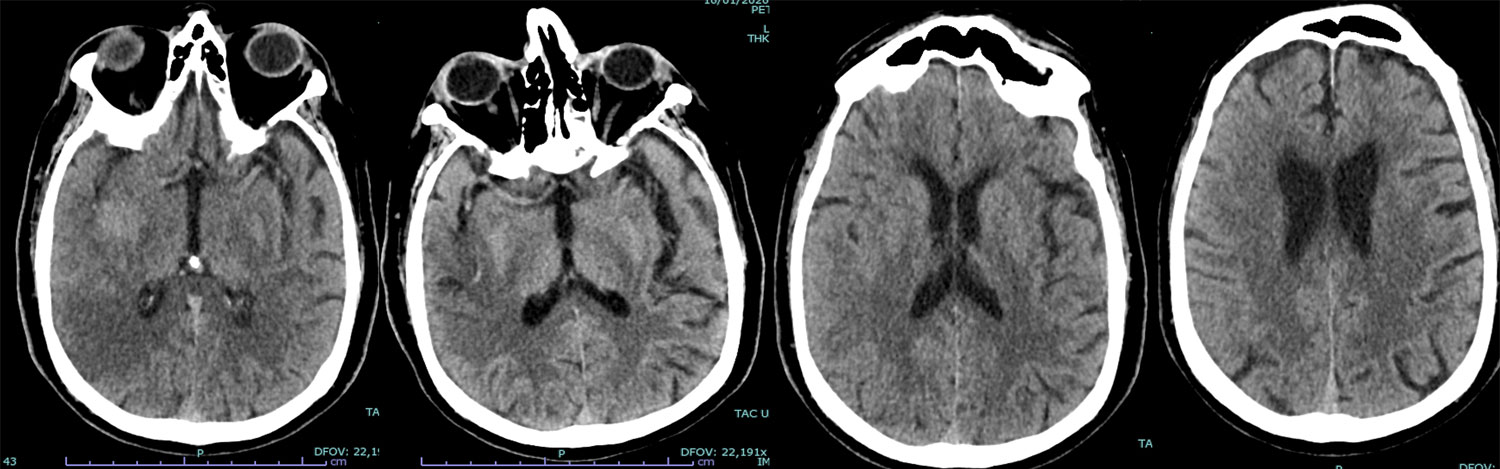
Linear hyperdensity in the inferior division path of the right MCA, and hypodensity areas with loss of cortico-subcortical differentiation in the right insular territory, M2 and M3.
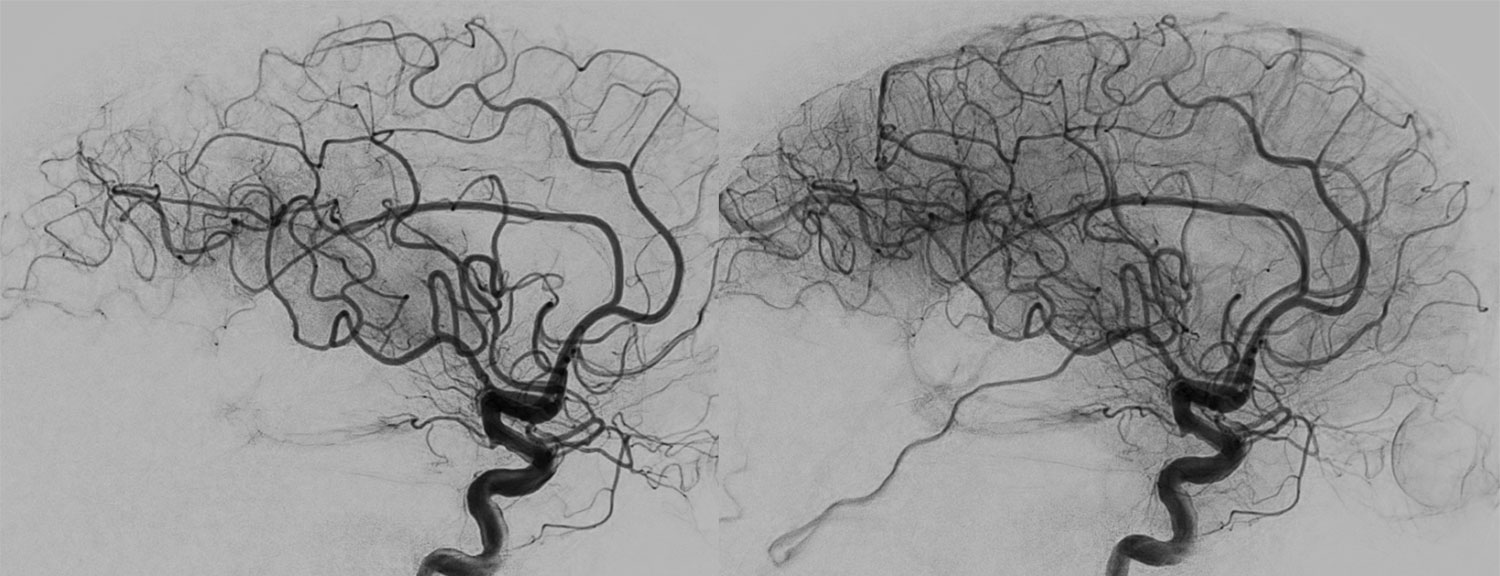
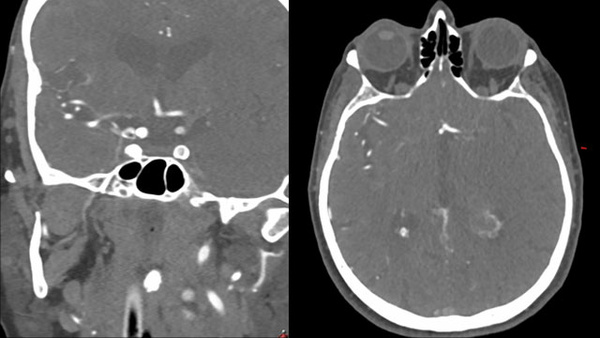
Oclcusion at the bifurcation of the M2 segment of the inferior division of right MCA, with distal recanalization of both branches of the bifurcation.
A decision was made to perform thrombectomy with combined technique, and a 0.062” aspiration catheter was advanced over a 0.021” microcatheter to the origin of the occlusion. A 4x40 mm Solitaire stent retriever was released through the occlusion across the superior branch, since priority was given to opening the branch whose territory was in ischemic penumbra.
The stent retriever and aspiration catheter were withdrawn simultaneously under continuous pump aspiration, resulting in partial clot removal and recanalizarion of the upper branch of the previously occluded M2 bifurcation (eTICI 2b67).
Supported by Medtronic