Robotics, AI, and the reality of remote thrombectomy
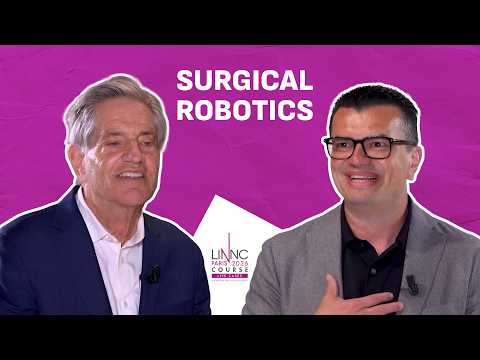
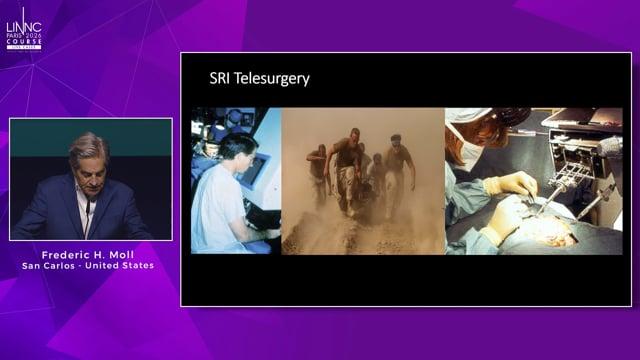
The pathway toward fully integrated artificial intelligence and surgical robotics is firmly established. Ricardo Hanel predicts that the first clinical trials for a remote thrombectomy will launch as early as 2026 or 2027. By 2036, the neurointerventional community will transition from testing feasibility to debating whether to use device-specific or universal robots capable of operating any tool.
AI will act as the brain behind these physical systems, managing everything from automated stroke detection to AI-driven prescriptions and procedure guidance. This will allow specialized physicians to perform complex mechanical thrombectomies from anywhere on the globe, effectively treating patients in remote or underserved geographic locations.
Neuroprotection, stem cells, and smart technology
For patients requiring long-distance transportation, advanced pharmacology will serve as a vital bridge:
- Neuroprotection cocktails: Future protocols will use selective brain cooling and specialized drug mixes (thrombolytics, DNases, and von Willebrand Factor inhibitors) to extend brain tissue life before opening the vessel.
- Neuroregeneration: Building on current technologies like vagus nerve stimulation (Vivistim), targeted stem cell therapies will help patients recover limb function after massive strokes.
Simultaneously, consumer technology will shift from passive tracking to active prevention. Smartphones and wearables will leverage internal accelerometers and AI to analyze behavior patterns, automatically identifying wake-up strokes when a patient stops moving. Coupled with upcoming holographic home companions for high-risk elderly populations, these advancements could ensure faster emergency detection and rapid dispatch to robotic stroke centers.