Come and join us across the globe
 Founded by Pr. Jacques Moret 
Sign In

A pioneer's journey through surgical robotics

Last update on June 4, 2026

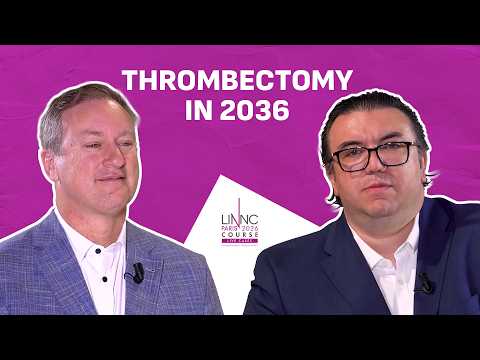
Alongside Vitor Mendes Pereira, Frederic Moll, widely known as the father of surgical robotics, including the Da Vinci system, discusses how robotics evolved into an incredible tool for improving precision, outcomes, and quality of life in neurosurgery.

Don't miss this exclusive exchange. Watch the full video to explore the future of surgical robotics through the eyes of its pioneers.

MOLL Frederic , MENDES PEREIRA Vitor

How surgical robotics revolutionized minimally invasive procedures

Originally developed to help surgeons transition from open surgery to minimally invasive techniques, robots were first designed to maintain precision when working through small punctures rather than large incisions. This session follows the journey of surgical robotics, from its early cardiac indications to modern neurointervention, highlighting how precise tool maneuverability and 3D vision offer clinicians superior control.

Today, surgical robotics helps tackle critical challenges, such as treating complex aneurysms with precise device placement and enabling remote access to care for time-sensitive diseases like stroke.

As Frederic Moll notes: “The robotic capability has to fit the task that you’re trying to accomplish.” Robotics must start by automating well-understood procedures before expanding into therapeutic delivery for catheter-based or surgical interventions. However, this progress must be careful and uncompromised: patient safety always comes first.

On the same subject
Come and join us across the globe
 Founded by Pr. Jacques Moret