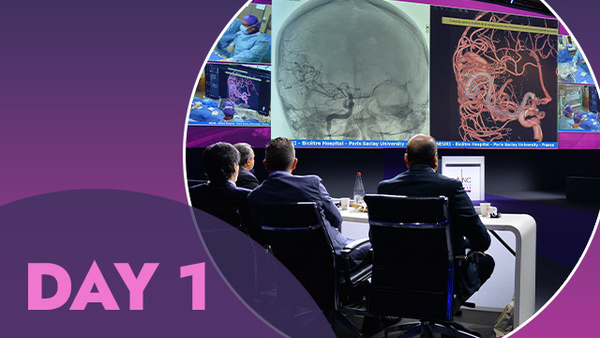
The final day of LINNC Paris 2026 offered a fitting conclusion to three days of scientific exchange, innovation, and clinical reflection. Bringing together long-term patient follow-up, evolving evidence in stroke intervention, emerging technologies, and complex case discussions, the programme highlighted how neurointervention continues to evolve beyond technical success toward a deeper understanding of patient outcomes.
Revisiting the patients behind the procedures
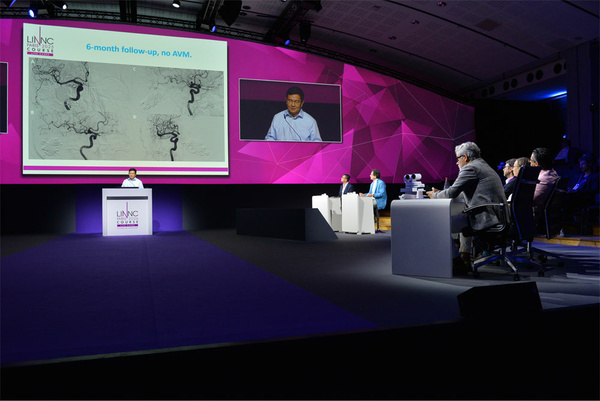
A hallmark session of Day 3 revisited 14 patients who had been presented at LINNC Paris 2025, offering a rare opportunity to assess the long-term durability of treatment decisions and clinical outcomes.
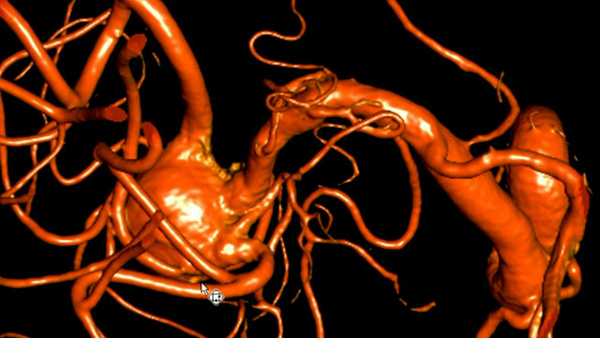
Cases from centres in France, Canada, Germany, and Kazakhstan illustrated the diversity of contemporary neurovascular practice, spanning aneurysm treatment, flow diversion, middle meningeal artery embolization, arteriovenous malformation management, and complex cerebrovascular disease.
The follow-up presentations reinforced the importance of looking beyond procedural endpoints to understand the true impact of treatment over time.
The session served as a reminder that innovation in neurointervention must ultimately be measured not only by technical achievement, but by lasting patient benefit.
Distal and Medium Vessel Occlusions remain one of the field’s biggest questions
The role of mechanical thrombectomy in medium and distal vessel occlusions remained a central topic of discussion.
Reviewing the recent wave of randomized trials, Vincent Costalat explored why the field continues to face uncertainty despite an unprecedented volume of new evidence. While studies such as DISTAL, ESCAPE-MeVO, and DISCOUNT failed to demonstrate superiority of thrombectomy, more recent data from DISTALS and Oriental MeVO have renewed interest in carefully selected patients.
A key theme was the growing recognition that anatomical vessel diameter and vascular tortuosity may be more relevant than traditional anatomical classifications when assessing procedural risk and potential benefit. This has led to increasing interest in defining small vessel occlusions based on vessel calibre rather than location alone.
As evidence continues to evolve, discussions reflected the challenge of reconciling randomized trial results with everyday clinical practice.
Ten years after thrombectomy: the next frontier is outcome improvement
A decade after the thrombectomy revolution transformed stroke care, speakers turned their attention to patients who continue to experience poor outcomes despite successful reperfusion.
Presentations highlighted the limitations of clinical prognostication, with studies demonstrating that even experienced clinicians frequently struggle to accurately predict outcomes following acute ischemic stroke. The findings reinforced the importance of avoiding premature assumptions regarding treatment benefit.
The concept of futile reperfusion also came under scrutiny. Rather than viewing outcomes through binary definitions, speakers argued for a more nuanced assessment that considers shifts across the disability spectrum and recognizes meaningful clinical improvements that may not be captured by conventional endpoints.
Attention increasingly focused on factors beyond vessel reopening, including infarct characteristics, brain resilience, microvascular dysfunction, and reperfusion injury. One message resonated throughout the session: poor outcomes are often driven not by unsuccessful treatment, but by the absence of treatment altogether.
Case discussions showcase the nuances of modern stroke care
Several challenging case presentations highlighted the complexity of decision-making in acute stroke intervention.
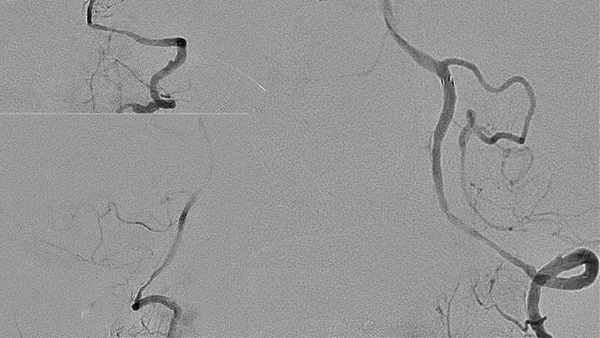
One case involved an elderly patient presenting with a tandem carotid occlusion and severe neurological deficits. Despite a difficult vascular anatomy and extensive clot burden, successful recanalization resulted in substantial neurological recovery.
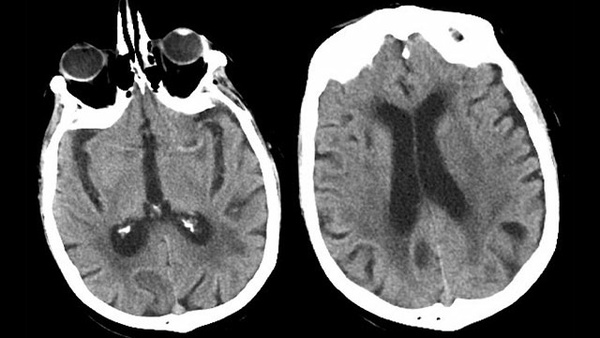
Another discussion focused on a patient with ICA terminus occlusion whose profound clinical deficits appeared disproportionate to the imaging findings. The case illustrated the limitations of relying exclusively on perfusion imaging and reinforced the continued importance of integrating imaging with clinical assessment.
Together, the cases reflected a recurring theme of the meeting: advanced imaging and sophisticated technologies are invaluable tools, but clinical judgment remains indispensable.
CT versus MRI in the era of Artificial Intelligence
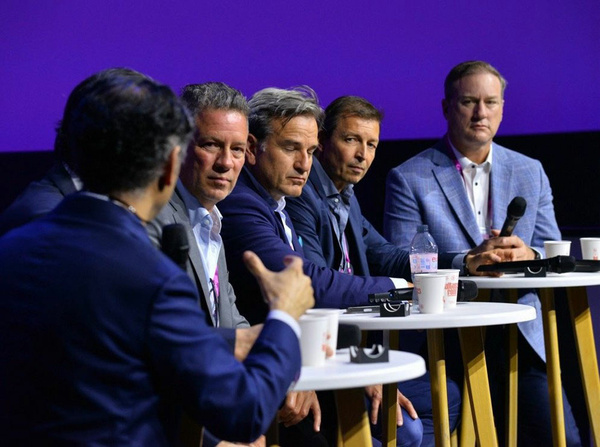
One of the most anticipated sessions of the day featured a lively debate on the future of stroke imaging.
Raul Nogueira argued that modern CT-based workflows, enhanced by artificial intelligence, often provide sufficient information for rapid treatment decisions while minimizing delays. He cautioned against excessive imaging and emphasized that more data do not necessarily translate into better outcomes.
Jan Gralla countered that MRI continues to provide unique tissue-level information that cannot be fully replicated by CT. Emerging low-field and portable MRI technologies, coupled with AI-driven image reconstruction, may significantly expand access to advanced imaging while preserving these diagnostic advantages.
While the debate did not produce a definitive winner, it highlighted the broader transformation taking place across stroke care as artificial intelligence reshapes both imaging acquisition and clinical decision-making.
MMA roundtable highlights: expanding the neuropsychological dimension of vascular care
The MMA Roundtable highlighted the often-overlooked psychological and cognitive impact of cerebrovascular disease and its treatment. Presenters shared evidence showing that despite favorable procedural and radiological outcomes, many patients continue to experience significant emotional and behavioral challenges, including anxiety and reduced quality of life. Drawing on a 2023 systematic review and ongoing prospective research, the team demonstrated that neuropsychological outcomes remain underrepresented in neurovascular care, despite their importance to patients.
The group also introduced a multicenter prospective study aimed at evaluating emotional trajectories, cognitive outcomes, quality of life, and risk perception in patients undergoing treatment for vascular malformations. A key message was that patients often overestimate procedural risks while underestimating the risks associated with the natural history of their disease, highlighting the need for better communication and shared decision-making.
The discussion emphasized cognitive assessment strategies, the impact of pre-procedural anxiety, and the importance of considering caregiver and family burden in future research.
Challenging cases push the boundaries of Neurointervention
Day 3 also featured a series of complex and unusual cases that demonstrated the breadth of modern neurovascular practice.
Presentations included transarterial glue embolization of a ruptured dissecting aneurysm of the anterior inferior cerebellar artery, OCT-guided treatment of vertebrobasilar stenosis, rescue angioplasty and stenting for intracranial atherosclerotic disease-related basilar occlusion, and discussions exploring the expanding role of middle meningeal artery embolization.
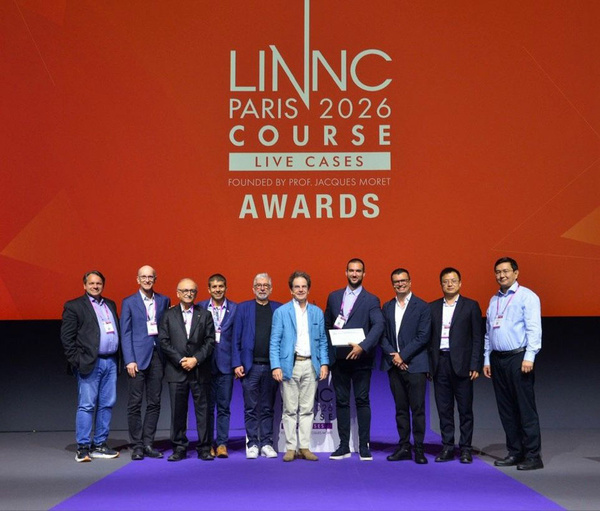
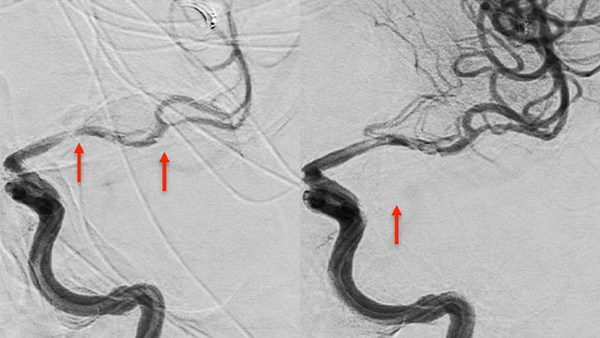
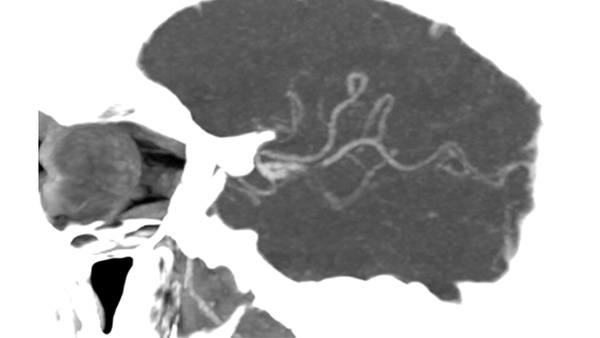
Among the most memorable presentations was the recipient of the final case award: a rare case of invasive sino-orbital aspergillosis following cosmetic dermal filler injections, presenting with cavernous sinus thrombosis, carotid stenosis, and pseudoaneurysm formation. The case highlighted the unexpected challenges that can confront neurointerventional teams and the value of multidisciplinary collaboration in managing rare vascular complications.
A final reflection
As LINNC Paris 2026 came to a close, the final day reflected the meeting’s defining spirit: questioning assumptions while embracing innovation. Across discussions on distal thrombectomy, advanced imaging, simulation technologies, and complex cerebrovascular disease, a common theme emerged, successful neurovascular care depends not only on better devices and stronger evidence, but also on a deeper understanding of the individual patient.
The programme combined long-term follow-up presentations, expert debates, trial analyses, and challenging case reviews from centres around the world. From re-examining the role of thrombectomy to exploring how artificial intelligence may reshape stroke imaging and treatment planning, Day 3 provided a fitting conclusion to a meeting dedicated to advancing neurovascular care through critical thinking, collaboration, and innovation.
Reported by Eileen Liu