The rise of endovascular electrophysiology and venous access
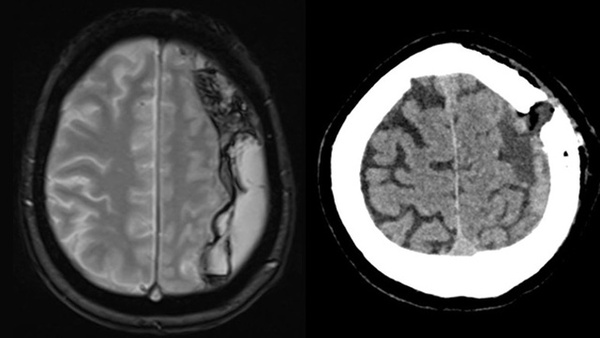
Traditional brain mapping for epilepsy or surgical resections requires highly invasive procedures, such as placing depth electrodes through the skull or performing large craniotomies for subdural grids. These methods carry significant risks of infection, spinal fluid leaks, and patient discomfort.
Adnan Siddiqui highlights that recent breakthroughs allow clinicians to gather the same high-quality data through a single jugular puncture. Navigating the cerebral venous system offers two major advantages:
- Enhanced safety: Unlike arterial interventions, which carry significant ischemic and embolic risks, venous interventions are exceptionally well tolerated by patients.
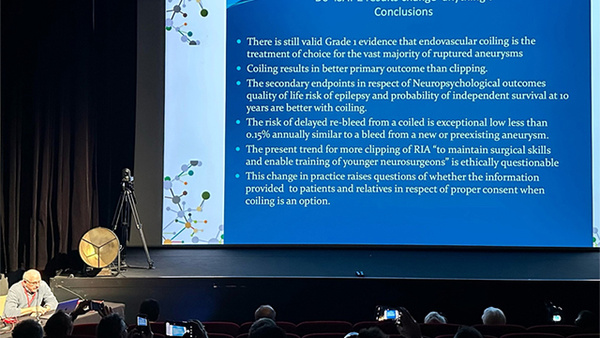
- Minimal invasiveness: Much like the ISAT trial historically proved coiling superior to open surgical clipping for aneurysms, venous mapping provides a less destructive, better-tolerated alternative to open brain surgery.
Brain-Computer Interfaces and the role of AI
Recording brain activity is only the first step; the next frontier involves altering and manipulating these signals to restore function. First-in-man trials in the United States are currently evaluating endovascular Brain-Computer Interfaces (BCIs). This technology allows locked-in ALS or quadriplegic patients to interact with their environment, send texts, and surf the internet using only their brain signals.
However, decoding the massive volume of electrical data produced by the human brain requires immense computational power. Artificial Intelligence is crucial in this ecosystem to filter out background noise and isolate meaningful signals. In the near future, combining AI with endovascular access will help convert thoughts into speech and enable paralyzed patients to move their limbs.
Ultimately, neurointervention has evolved from a strict vascular specialty into a dynamic field of brain interaction. Bridging the gap between technological advancement and clinical routine will require a deeper understanding of venous anatomy and continued integration of computational tools to redefine patient care.