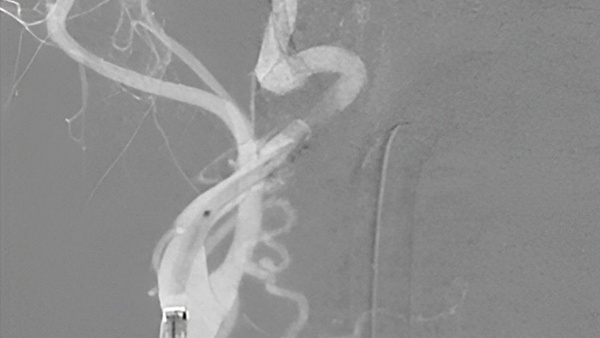
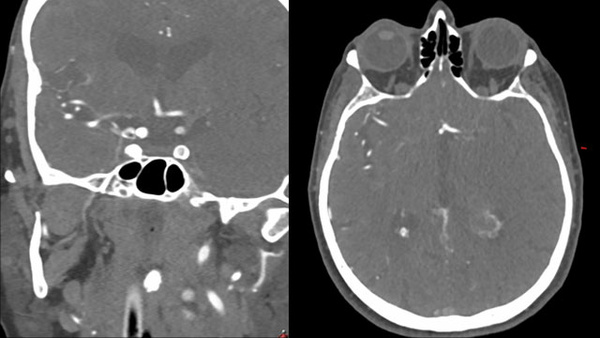
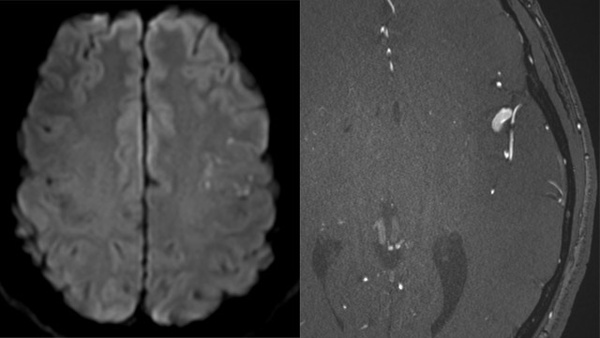
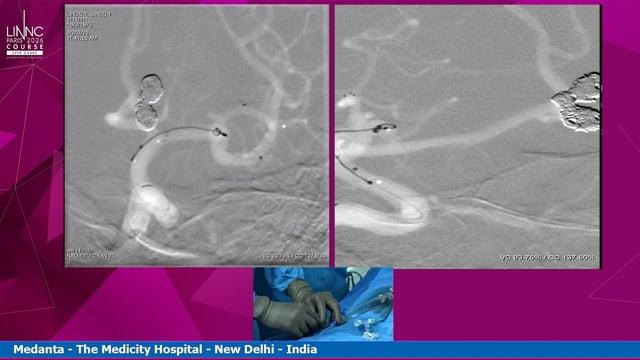
This case concerns a 29-year-old man with no prior medical history who presented with a sudden onset of binocular diplopia, vertigo, tinnitus, posterior headache, right-sided hemiparaesthesia and limb weakness. MRI revealed a partially thrombosed giant basilar aneurysm with an acute infarct. Further investigations also identified additional aneurysms in this unusually young patient.
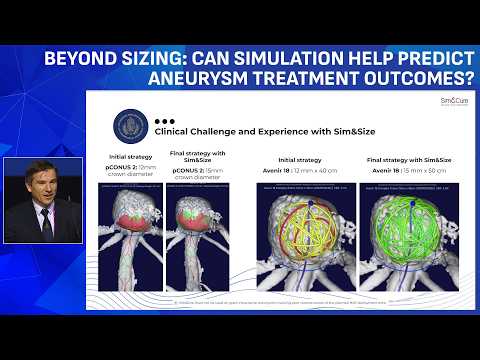
After an initial conservative phase, treatment was reconsidered due to a persistent mRS score of 2, preventing the patient from driving or working. The team opted for a preventive posterior fossa craniectomy followed by a three-stage endovascular strategy, including a balloon occlusion test, scaffolding and flow diversion. However, the patient’s condition deteriorated on follow-up. Explore how the team adapted their management in response to these unexpected developments.